
Collection, Filtration, Purification, Re-mineralization and Glass Bottling.
In a world where sustainability and environmental protection are increasingly important, rainwater harvesting is emerging as an innovative and eco-friendly solution. This article describes the process of collecting, filtering, purifying, remineralizing, and bottling rainwater in glass bottles, ensuring a product that is safe for human consumption and environmentally friendly.
OUR PROCESS
1. Rainwater Harvesting
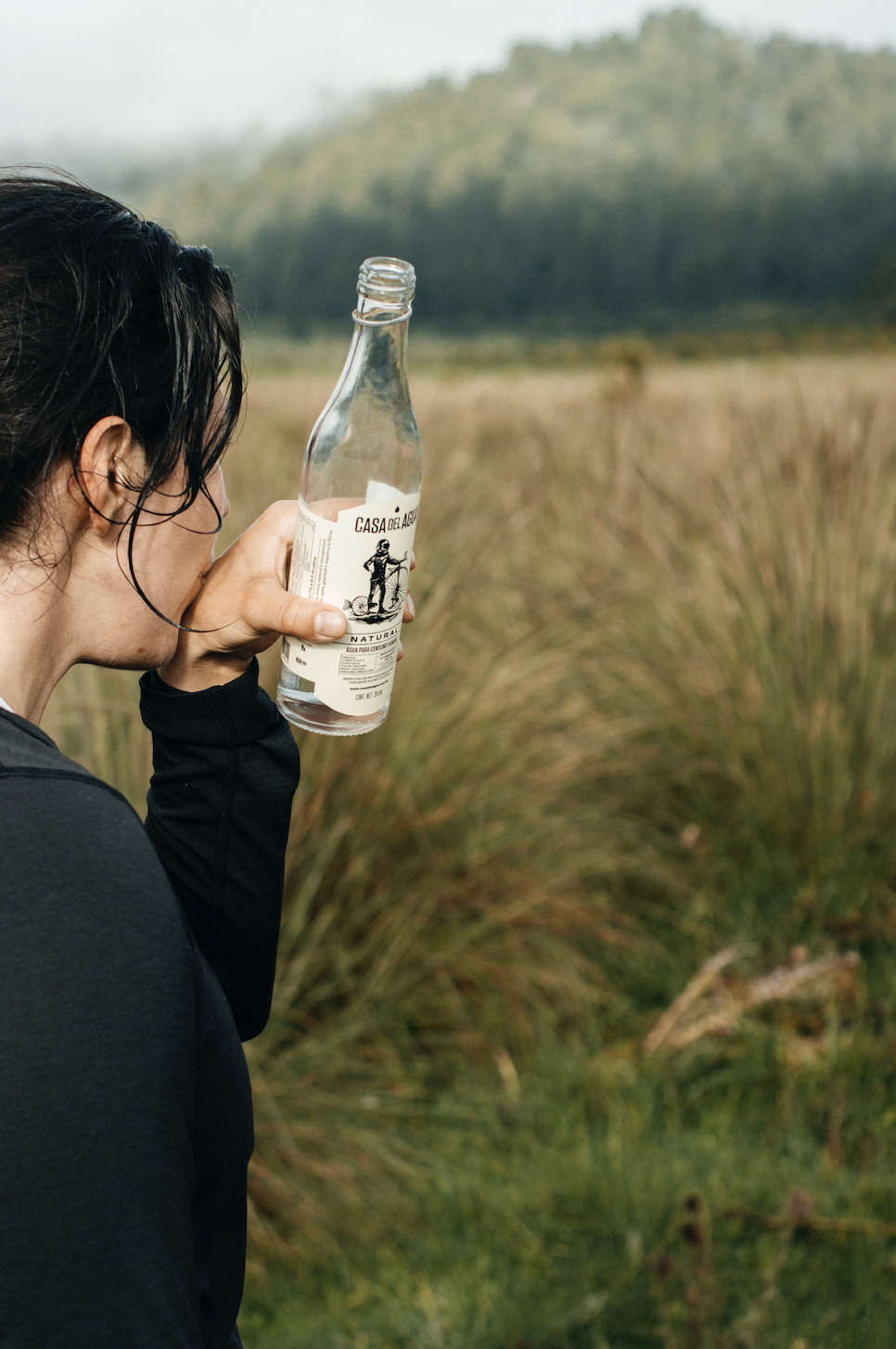
The first stage of the process involves collecting rainwater efficiently and safely. This is done using suitable surfaces on roofs, which channel the water to a storage system via gutters and pipes.
It is essential that these materials be non-toxic and clean to prevent contamination before storage. The collected water passes through a primary sediment filter, which removes large particles such as leaves, dirt, and sand.
Subsequently, it is stored in high-specification, harmless tanks, where a disinfection process is carried out to preserve its quality in this initial phase.
2. Filtration and purification
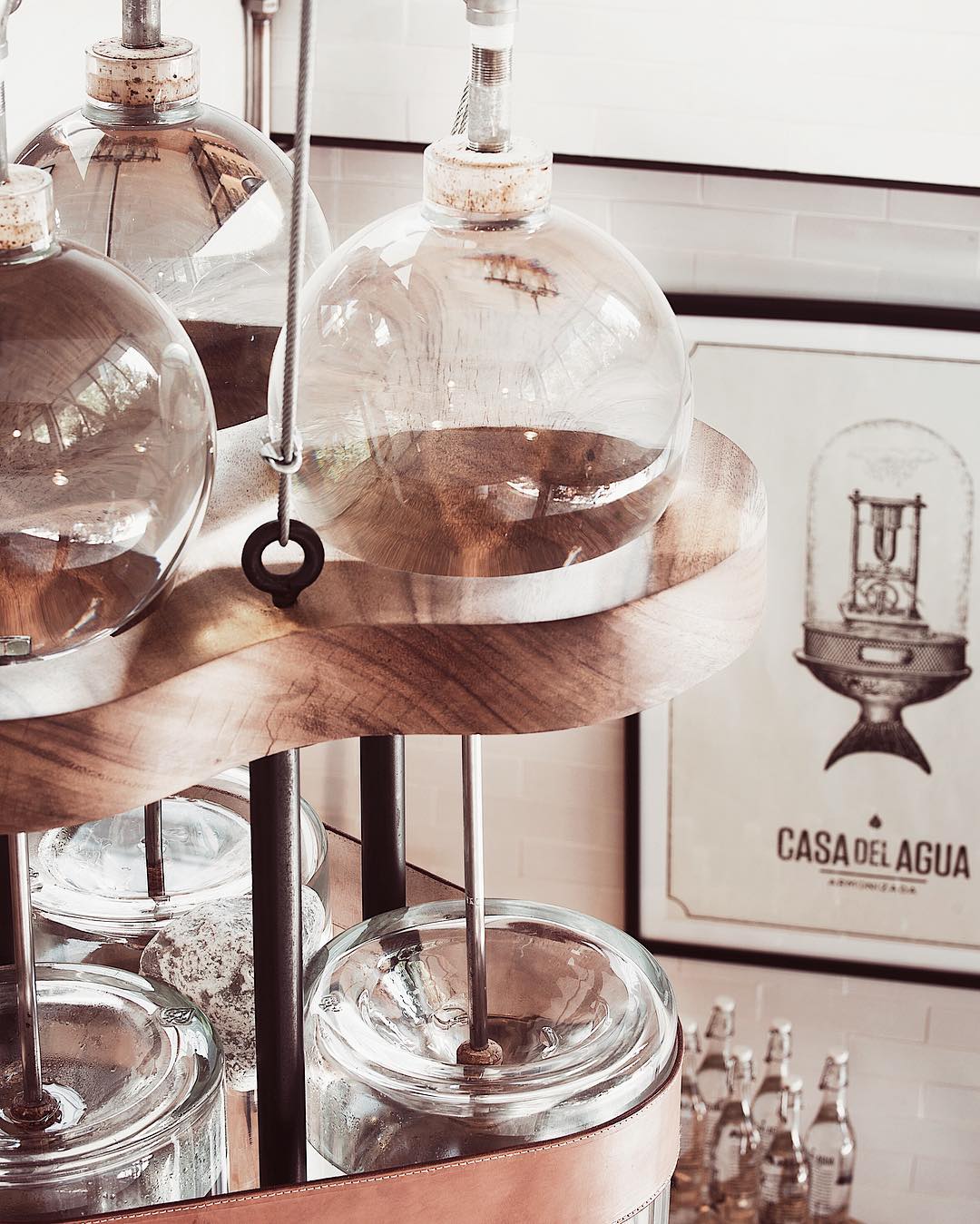
Once captured, the water goes through a second filtration process through a silica sand system to be sent to a second storage tank, where it remains before starting its treatment to reach the finished product with the highest standard of purification.
The process begins with a triple filtration system, followed by a purification process using nanomembranes, also known as ultrafiltration, achieving 100% purity.
The stages of this process include:
- Silica sand filter: Removes physical impurities.
- Zeolite sand filter: Removes chemical impurities.
- Activated carbon filter: Removes odors, tastes and organic substances.
- Microfiltration or ultrafiltration: Retains microorganisms and microscopic particles, guaranteeing 100% pure water.

4. Sterilization and bottling
The production line guarantees water safety through technologies such as:
- Ultraviolet (UV) light: Eliminates bacteria, viruses, and pathogenic microorganisms on the filling line.
- Ozone: A powerful disinfectant that eliminates any residual biological contaminants in the air space inside the neck of the bottles.
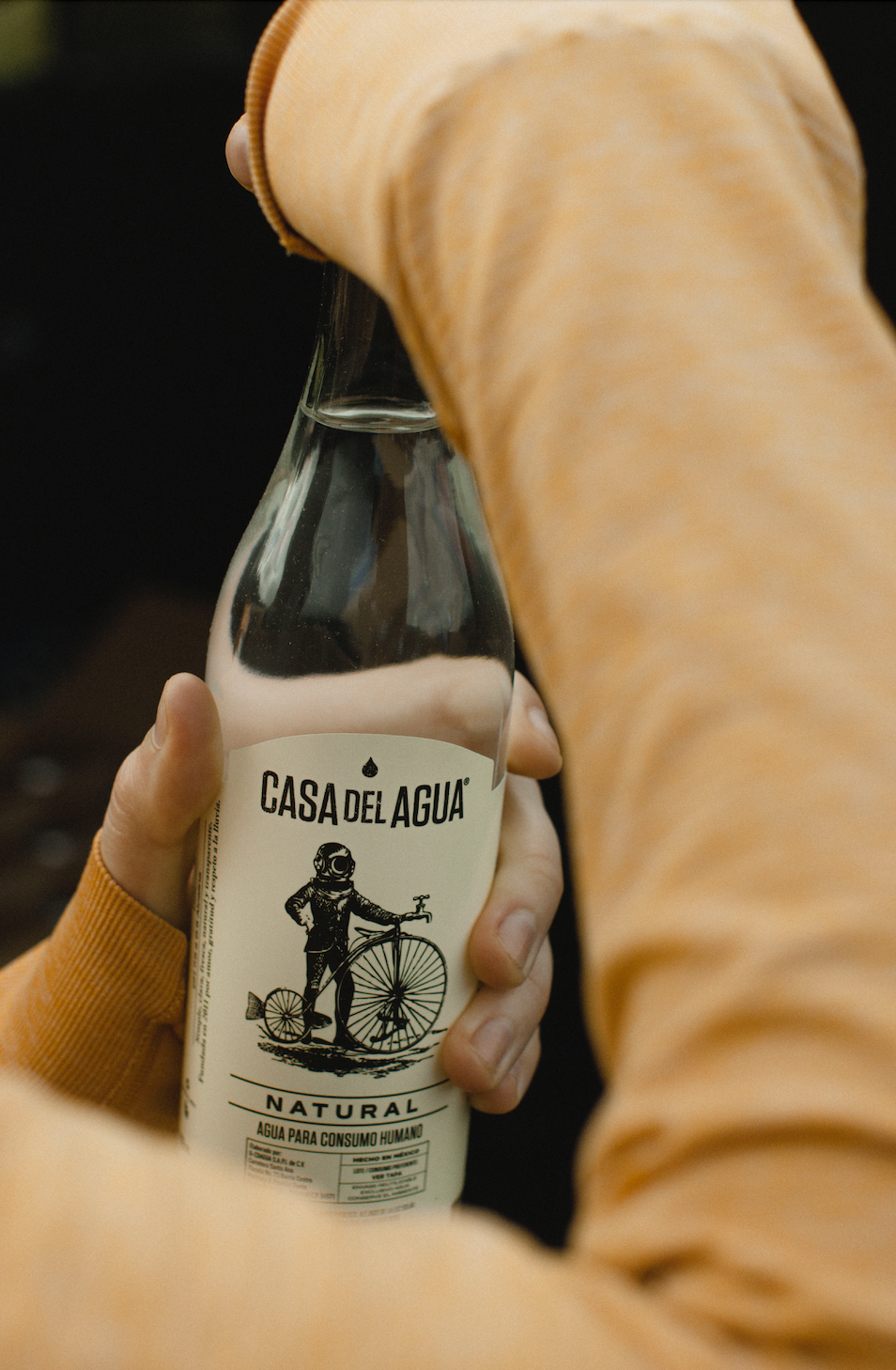
Proper bottling is essential to preserving the high level of purity and quality achieved. This is accomplished using high-specification automated technology in a 100% sterile process.

5. Bottled in Glass
Bottling in glass is a choice that balances sustainability and quality. Glass bottles are 100% recyclable, do not leach chemicals into the water, and preserve its purity and flavor.
The bottling process is carried out under controlled conditions to prevent any contamination and includes the following stages:
- Washing and sterilizing bottles: Ensures the elimination of microorganisms.
- Filling and sealing: A system is used that minimizes contact of the water with the air to preserve its quality.
- Labeling: Each bottle receives a label with information about the origin of the water, the process followed and the commitment to the environment.

6. Harmonization
Our processes are accompanied by intention, thought, and awareness through written messages and classical music.
BENEFITS OF THE PROCESS
This approach offers numerous benefits:
1. Sustainability: Utilize a natural resource locally, reduce the carbon footprint and dependence on overexploited water sources.
2. Quality: The processed water is 100% pure and balanced, perfect for its best purpose, human consumption.
3. Reduced environmental impact: Glass bottles are an eco-friendly option that minimizes the generation of plastic waste.
Conclusion
Harvesting rainwater, combined with sustainable purification and bottling technologies, is a viable and effective solution to current environmental challenges. This process not only guarantees high-quality water for the consumer but also promotes environmentally responsible practices.
The next time you choose a water bottle, consider options that support sustainability and innovation.